News ·
Supervised Delivery in Rural Papua New Guinea: Esther’s Life-Saving Story
Esther’s story shows why supervised delivery, skilled health workers, and rural hospitals are vital for reducing maternal deaths in Papua New Guinea.
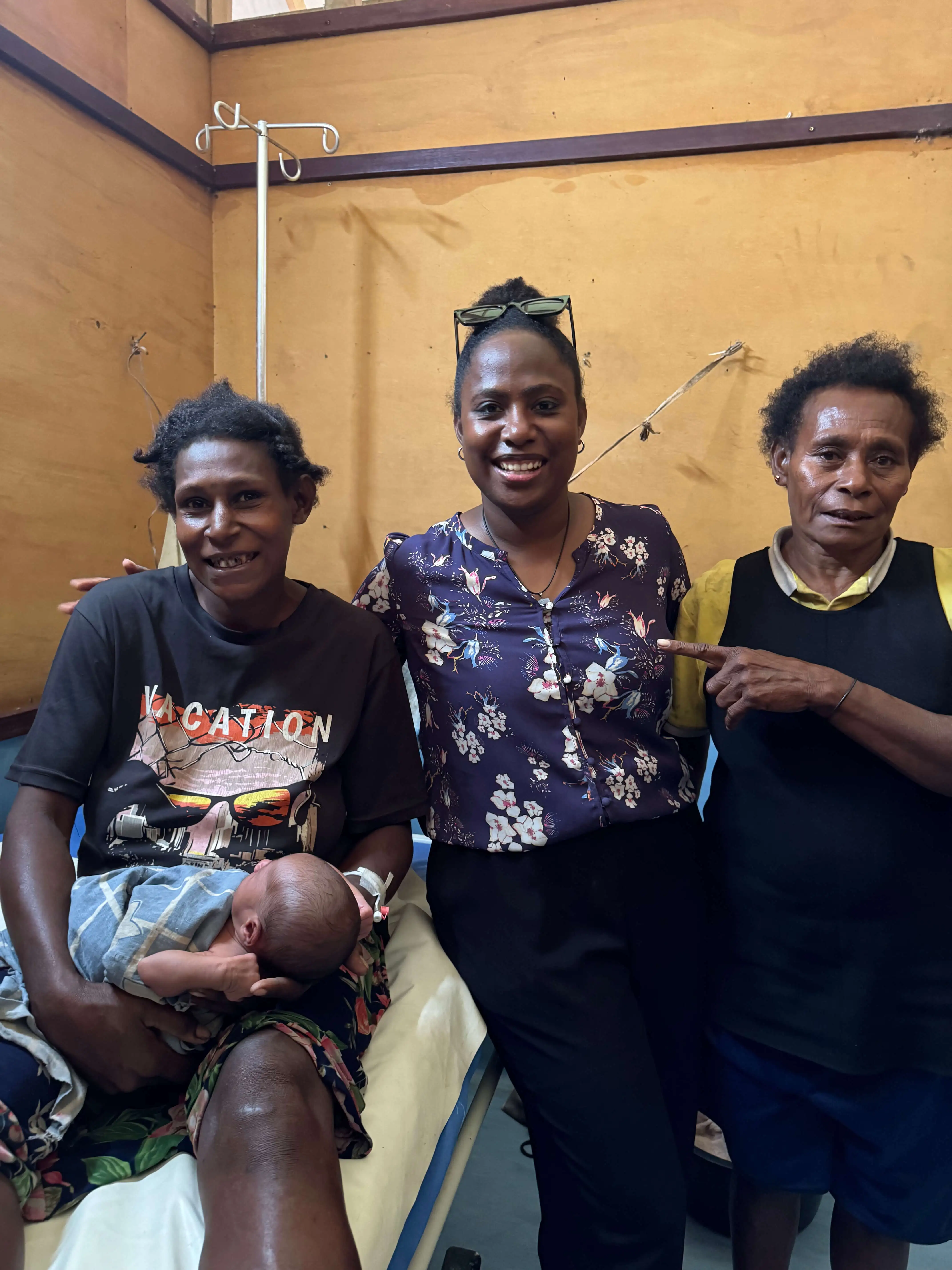
Supervised Delivery in Rural Papua New Guinea: How Rural Health Care Saved Esther’s Life
After three days of labor in her village, Esther finally arrived at Kapuna Rural Hospital late at night, bleeding heavily and in severe pain. She was already in the second stage of labor. Within a short time, she delivered a live baby girl. But the bleeding did not stop.
The on-call doctor was urgently notified, and Esther was diagnosed with a ruptured uterus. She needed emergency surgery immediately. Without skilled care, blood transfusion, and a team ready to act, Esther may not have survived.
Why Supervised Delivery Matters
The World Health Organization advocates for supervised delivery as one of the most important interventions for reducing maternal and neonatal mortality. Supervised delivery means childbirth attended by skilled health personnel within an appropriate health facility.
This includes trained health workers such as midwives, doctors, or community health workers skilled in midwifery. These workers can monitor labor, identify complications early, and provide emergency obstetric care when needed.
Essential services include neonatal resuscitation, access to operative delivery such as Cesarean section, blood transfusion services, and basic laboratory support.
Maternal Health Challenges in Papua New Guinea
Despite global progress in maternal health, Papua New Guinea continues to have one of the highest maternal mortality rates in the Pacific region, estimated at approximately 171–205 maternal deaths per 100,000 live births.
Postpartum hemorrhage, or bleeding after delivery, is the most common cause of maternal death in PNG.
Only about 42–45% of births in Papua New Guinea are attended by skilled health personnel. In some areas, women face a lifetime risk of maternal death as high as 1 in 25.
Mothers living in remote communities face significantly higher risks than those in urban centers because of limited access to antenatal care, difficult geography, poor road infrastructure, high transportation costs, shortages of medical supplies, and a lack of trained health workers. Less than 60% of women in rural settings access adequate antenatal care services.
Esther’s Journey to Kapuna Rural Hospital
Esther is from Abigae village, located east of the mighty Kikori River in Gulf Province. This was her seventh pregnancy.
Of her previous six deliveries, three had occurred in the village with assistance from an untrained village birth attendant. The remaining three deliveries took place at Kapuna Rural Hospital, including one complicated twin pregnancy that required a Cesarean section.
During this pregnancy, Esther attended only one antenatal clinic visit at her local health center. Even then, many essential assessments, including blood pressure measurement, urine testing for protein and glucose, and routine serology investigations, could not be performed because the facility lacked the necessary equipment and supplies.
She was unable to return for further follow-up because of the long and costly journey to the health center. Travel from her village required one to two days by paddle canoe along the river, while fuel for motorized transport in remote areas was often double or triple the cost in urban centers.
On the 8th of April, Esther went into labor in her village. Because transport was unavailable, she could not travel to Kapuna Rural Hospital immediately. After three days of labor, she finally secured transport and arrived at the hospital late at night on the 11th of April.
Emergency Obstetric Care in a Rural Setting
By the time Esther arrived at Kapuna Rural Hospital, she had already begun bleeding heavily and was experiencing severe abdominal pain that was not consistent with normal labor contractions.
The community health workers and nurses on duty acted quickly, transferring her directly to the labor ward. Shortly afterward, she delivered a live baby girl.
However, the bleeding continued profusely after delivery. The on-call doctor was urgently notified, and a diagnosis of uterine rupture was made. Esther was immediately transferred to the operating theater for emergency surgery.
The challenges the team faced were immense. Esther’s blood was no longer clotting effectively, and she was already in severe hemorrhagic shock, having lost about 3 liters of blood. An emergency O blood transfusion was urgently required.
Due to the absence of an anesthetist and limited anesthesia equipment, only ketamine sedation combined with local lidocaine infiltration could be administered. The operating theater itself also faced shortages of essential consumables, including surgical sutures.
Despite these limitations, the team proceeded with life-saving surgery. A ruptured uterus was confirmed and successfully repaired, avoiding the need for hysterectomy. With blood transfusion and supportive management, Esther’s bleeding and shock were corrected.
A bilateral tubal ligation was also performed to prevent future high-risk pregnancies and reduce the likelihood of further life-threatening complications.
A Safe Return Home
After several days of recovery in the hospital, Esther was discharged home safely to her six children, now with a newborn daughter added to the family.
Esther’s story reflects the reality faced by many women in rural Papua New Guinea. It highlights the enormous barriers to accessing antenatal care and supervised delivery, but also demonstrates how even basic access to skilled health care and emergency obstetric services can mean the difference between life and death.
Because skilled rural care was available when it mattered most, Esther survived and returned home to her family.
Strengthening rural health services, improving transportation and infrastructure, and ensuring the availability of trained health workers and essential medical supplies remain critical steps toward reducing maternal mortality in Papua New Guinea.
Story image