Hospital ·
Maternal Healthcare in Papua New Guinea: Challenges and Progress in Remote Communities
Maternal mortality in Papua New Guinea remains among the highest in the Asia-Pacific. This article explains why, and how rural mission hospitals in Gulf Province are working to change outcomes for mothers and babies in some of the most remote communities on earth.
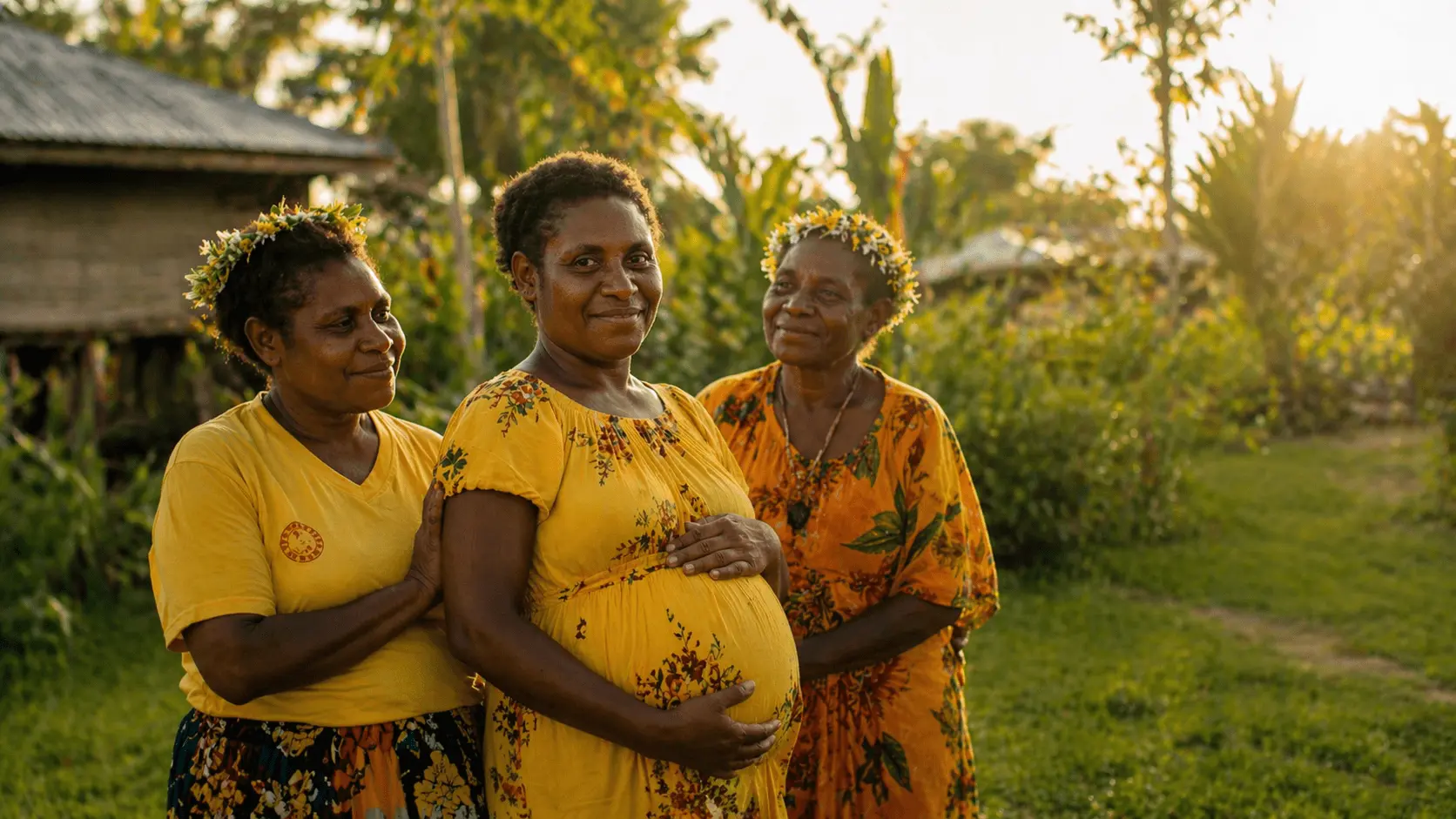
Papua New Guinea has one of the highest maternal mortality rates in the Asia-Pacific region. Estimates from the World Health Organisation and PNG's own National Department of Health consistently place the country's maternal mortality ratio above 200 deaths per 100,000 live births — more than fifty times the rate in Australia.
Behind that statistic are individual women, families, and communities in remote villages where a complicated birth can quickly become fatal. Understanding why maternal outcomes are so poor in Papua New Guinea — and what is being done about it — matters for anyone who cares about global health equity.
Why Maternal Mortality Is So High in Papua New Guinea
Several factors combine to make childbirth in remote Papua New Guinea dangerous in ways that are almost entirely preventable.
Distance from care. Most women in Gulf Province live in villages accessible only by river. A dinghy journey to the nearest hospital can take four to six hours in good conditions. In the wet season, with rough water and no fuel, it can be impossible. A woman with placenta praevia, postpartum haemorrhage, or obstructed labour may not survive the journey.
Shortage of skilled birth attendants. Papua New Guinea has a critical shortage of midwives and nurses, particularly outside urban centres. Many villages rely on traditional birth attendants with no formal training. Village health volunteers do extraordinary work, but they cannot perform emergency obstetric procedures.
Limited diagnostics. Conditions like placenta praevia, pre-eclampsia, and malpresentation are only detectable with ultrasound or skilled antenatal assessment. In villages without any health facilities, these conditions go undiagnosed until they become emergencies.
Nutrition and anaemia. Iron-deficiency anaemia is widespread among pregnant women in Gulf Province, making haemorrhage significantly more dangerous. Malnutrition compounds the problem.
What Kapuna Hospital Does
Story image
Kapuna Hospital's maternity ward is one of the few facilities in Western Gulf Province capable of providing comprehensive emergency obstetric care. The team performs caesarean sections, manages postpartum haemorrhage, handles obstructed labour, and provides neonatal care for premature and sick babies.
The hospital's antenatal programme brings women from surrounding villages to Kapuna in the final weeks of pregnancy — an approach sometimes called a "waiting house" model. Rather than attempting a dangerous journey in an emergency, women come early and wait. It is a simple intervention that saves lives.
Outreach patrols extend the hospital's reach into communities that cannot come to Kapuna. Nurses and midwives travel by dinghy to remote villages, conducting antenatal checks, administering iron supplements, identifying high-risk pregnancies, and building the trust that encourages women to seek facility-based care for delivery.
What Kikori District Hospital Does
Kikori District Hospital, managed by Gulf Christian Services since 1996, serves communities across the western Gulf — from highland villages near the Southern Highlands border to coastal communities in the delta. Its maternity unit handles deliveries, caesarean sections, and obstetric emergencies for a population spread across some of the most inaccessible terrain in Papua New Guinea.
The story of Mirriam Brown, a woman from Irimuku village who presented to Kikori with placenta praevia at 35 weeks, illustrates the difference this hospital makes. Diagnosed during a routine check by a vigilant midwife, she returned for a planned caesarean section that delivered a healthy 3-kilogram girl. In a village without access to skilled antenatal care, that outcome would almost certainly have been different.
The Role of Community Health Workers
The Community Health Worker Training School at Kapuna — the only health training institution in Gulf Province — graduates CHWs who return to their home villages as the first point of care. CHWs trained at Kapuna are equipped to identify danger signs in pregnancy, refer women appropriately, and support postnatal care in communities that may be days from the nearest hospital.
Over 5,000 graduates in 65 years means 5,000 people serving in communities that would otherwise have no trained health worker at all.
What Needs to Change
Progress is real but incomplete. Staff retention remains a challenge — nurses and midwives trained at significant expense often leave for better-paid positions in Port Moresby or abroad. Medical supplies, ultrasound equipment, and reliable power for theatre are recurring constraints. Transport costs for outreach patrols depend on fuel prices that have doubled in recent years.
The partnership between Mission Hospitals and Papua New Guinea's government health system is essential but underfunded. Gulf Christian Services depends on overseas donors, volunteer clinicians, and medical students completing elective placements to maintain the level of maternity care that Gulf Province families depend on.
How to Support Maternal Healthcare in Papua New Guinea
If you are a midwife, obstetrician, or nurse with an interest in serving in a remote Christian mission context, Gulf Christian Services welcomes enquiries about volunteer placements at Kapuna Hospital and Kikori District Hospital.
If you would like to support the work financially, donations directly fund maternity services, outreach patrol costs, and the training of the next generation of community health workers in Gulf Province, Papua New Guinea.
Learn more about volunteering or giving at Gulf Christian Services .